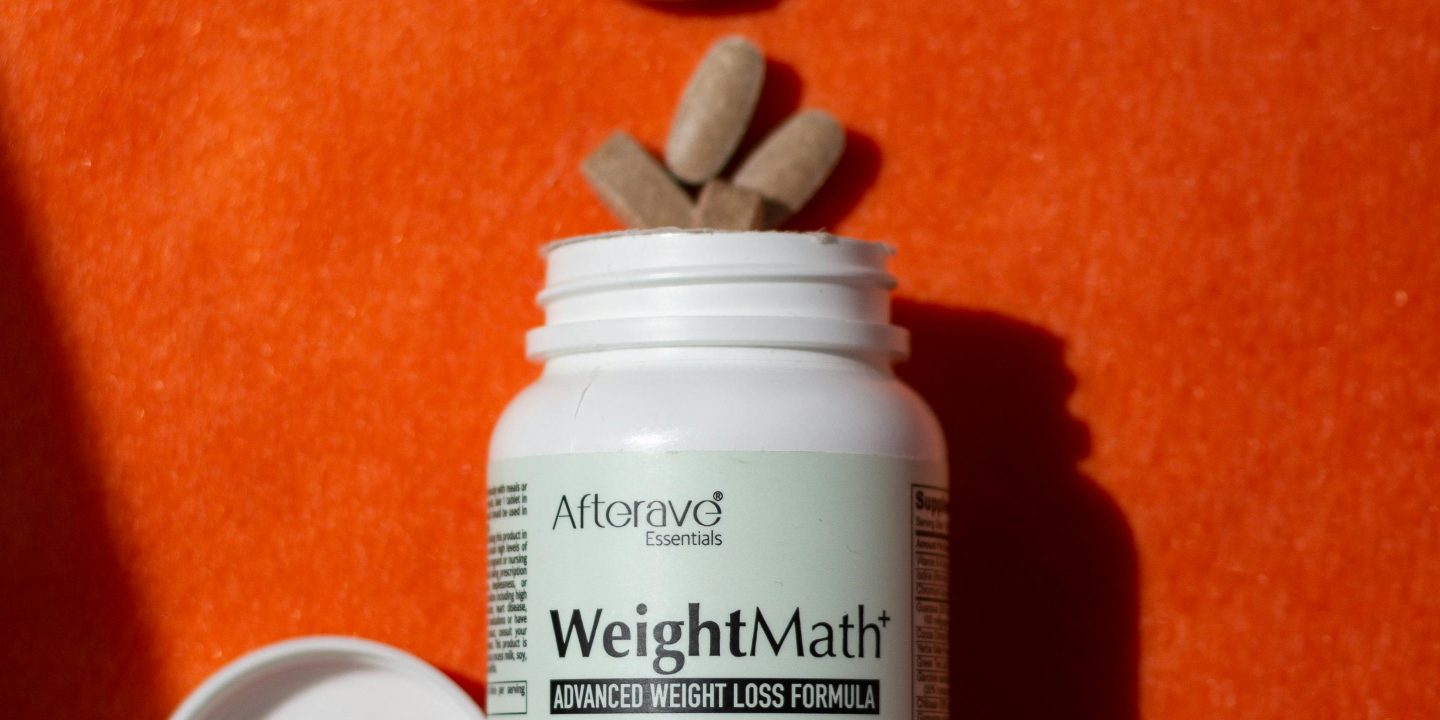
Hims & Hers Health have stated plans to offer a compounded version of Novo Nordisk’s Wegovy weight-loss drug with an introductory price of $49 per month. The announcement drew attention across the pharmaceutical sector, but Hims & Hers shares, like many others, ended the day lower.
The compounding company has been a volatile stock for investors. After becoming a momentum favorite, its shares have entered a prolonged decline, falling about 60% since mid-October. Despite that downturn, the stock has nearly tripled over the past two years, a period marked by sharp price swings, including a 170% surge in January 2025 followed by a 63% selloff and a subsequent 145% rally.
Hims & Hers said the $49 price applies only to the first month. Customers who purchase a five-month plan would pay $99 per month after the introductory period. The company’s shares jumped 14% at the open of trading on Thursday before reversing course to close down 4%, highlighting the volatility surrounding Hims & Hers.
Rajiv Leventhal, senior analyst for digital health at eMarketer, said initial investor response focused on the headline pricing. “Wall Street’s reaction is often based on perception, and the (initial) perception is, $49 is a lot cheaper than what they can get elsewhere,” he said. Leventhal also noted that the higher cost after the first month may have influenced trading as the session progressed.
The stock fell an additional 4% in after-hours trading after U.S. Food and Drug Administration Commissioner Marty Makary said on X that the agency would take swift action against companies mass-marketing illegal copycat drugs that claim similarity to FDA-approved products. Makary did not name any specific drugs or companies.
Trading volume surged, with about 69 million Hims shares changing hands, making Thursday the busiest trading day for the stock since October. The increase came after daily trading volume had declined sharply since the summer, according to Paul Cerro, founder and chief investment officer at hedge fund Cedar Grove Capital. Cerro said the higher volume created an opportunity for fund managers to exit positions, adding that long investors found liquidity to sell.
Hims & Hers continues to make waves in the market, drawing significant interest from both investors and consumers.
The stock’s volatility has made it attractive to short sellers. Data from LSEG show nearly one-third of Hims shares have been loaned out for short positions. By comparison, less than 1% of Eli Lilly’s shares are being borrowed for short bets. BlackRock, Vanguard, and JPMorgan Asset Management are among Hims’ largest institutional holders, though they did not respond to requests for comment.
Options market data indicate expectations for continued volatility. The stock’s 30-day implied volatility reached a three-month high on Thursday, and pricing suggests traders anticipate a potential 20% move in either direction by next week’s close, which would be the largest weekly swing since June, according to LSEG data.
With the introduction of the weight-loss pill, Hims & Hers aims to capture a larger share of the health and wellness market.
As Hims & Hers expands its product line with the new weight-loss pill, they aim to capture more market share in the health and wellness industry.
Hims and Novo Nordisk have been in dispute since 2023, when the FDA allowed Hims to sell compounded versions of Novo’s GLP-1 injectable drugs during shortages of the branded medicines. Novo has since threatened legal action, and the two companies’ partnership, announced over the summer, ended only months later.
The ongoing dispute between Hims & Hers and Novo Nordisk underscores the competitive landscape in health products.
The ongoing dispute between Hims & Hers and Novo Nordisk is significant, as it underscores the competitive landscape in health products and the need for Hims & Hers to innovate.
Steve Sosnick, chief strategist at Interactive Brokers, said the muted reaction to Thursday’s announcement reflected a change in investor sentiment. He said the stock had been favored by momentum traders during its rise but has lost that support during its decline.