The World Health Organization (WHO) has assessed the likelihood of the Nipah virus spreading beyond India as low, following the confirmation of two recent infections. The agency said it does not advise imposing travel or trade restrictions at this stage.
In an email response to Reuters on Friday, the WHO stated: “The WHO considers the risk of further spread of infection from these two cases is low,” adding that India has the public health capacity needed to manage and contain such outbreaks. The organization also noted, “There is no evidence yet of increased human to human transmission,” and confirmed that it is working closely with Indian health authorities.
Despite the WHO’s reassurance, several Asian regions — including Hong Kong, Malaysia, Singapore, Thailand, and Vietnam — have tightened airport screening measures this week as a precaution after India reported the infections.
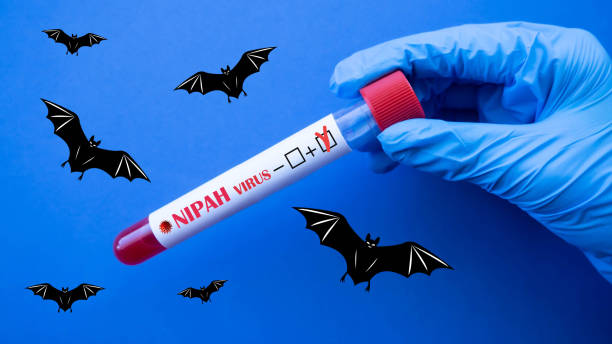
The virus, which is naturally carried by fruit bats and can also infect animals such as pigs, causes symptoms ranging from fever to severe brain inflammation. Nipah has a high fatality rate of between 40% and 75% and currently has no approved cure.
While vaccines are under development, they remain in the testing phase.
Human infections typically occur through contact with infected bats or fruit contaminated by them. Person-to-person transmission is possible but uncommon, as it generally requires prolonged close contact. Health experts note that small, contained outbreaks occur from time to time and that the overall risk to the general population remains limited.
The WHO said the exact source of the latest infections has not yet been fully identified and cautioned that further exposure cannot be ruled out. The virus continues to circulate in bat populations across parts of India and neighboring Bangladesh. Due to its high mortality rate, lack of licensed treatments, and potential to evolve into a more easily transmissible form, Nipah is classified by the WHO as a priority pathogen.
A Familiar Threat for India
The two individuals infected in late December are healthcare workers from India’s eastern state of West Bengal and are currently receiving hospital treatment, according to local officials. Nipah is not new to the country, with India reporting sporadic cases over the years — most notably in the southern state of Kerala, considered one of the world’s highest-risk areas for the virus. Since first appearing there in 2018, outbreaks have been linked to dozens of deaths.
According to the WHO, this marks the seventh documented Nipah outbreak in India and the third in West Bengal. Previous outbreaks in the state occurred in 2001 and 2007, both in districts bordering Bangladesh, a country that experiences Nipah outbreaks almost every year.
Strong Surveillance Limits Nipah Spread
WHO emphasized that India’s public health authorities acted swiftly after confirming the Nipah virus cases. Immediate containment measures, including quarantine of close contacts and enhanced surveillance, helped prevent further Nipah spread. These actions align with WHO’s recommended protocols for managing Nipah outbreaks.
No Immediate Travel or Trade Restrictions
At this stage, WHO does not recommend international travel or trade restrictions related to the Nipah cases. The organization reiterated that Nipah transmission typically requires close contact and does not spread easily across borders without direct exposure.
Global health authorities have reiterated the importance of calm and evidence-based responses following recent case confirmations in southern India. Officials noted that rapid identification and isolation procedures significantly reduced the likelihood of wider transmission beyond the affected localities.
Health experts praised regional authorities for activating emergency response systems early, including hospital readiness, laboratory testing capacity, and contact monitoring. These measures helped ensure that the situation remained localized and manageable.
International health agencies also highlighted strong coordination between state and federal health departments. Timely data sharing and transparent reporting allowed for accurate risk assessment and prevented unnecessary alarm at the regional and international levels.