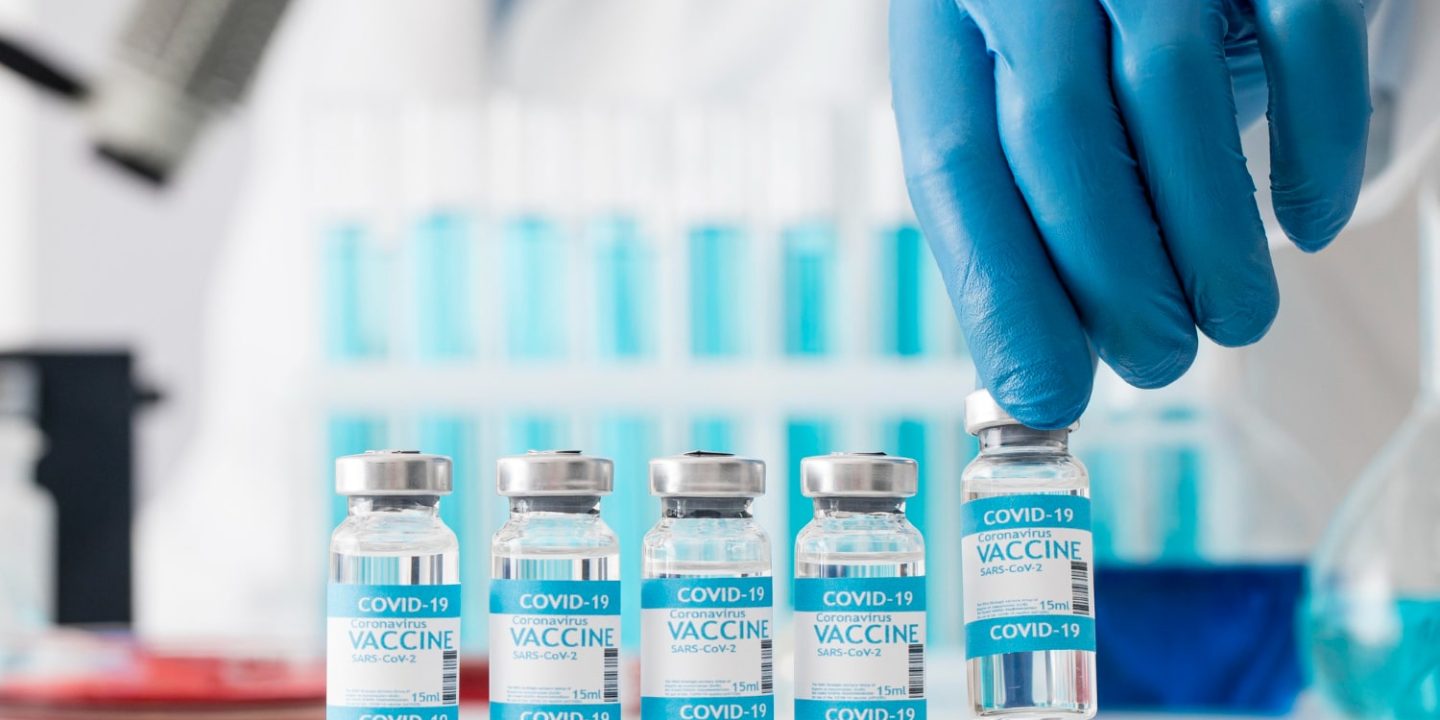
Germany-based CureVac and Britain-based GSK and BioNTech have ended a multi-year patent battle with Pfizer and its partner BioNTech over mRNA vaccine technology, which was front and center in the global battle against COVID-19.
The agreement resolves a lawsuit filed three years ago against mRNA-based coronavirus shots and follows BioNTech’s acquisition of German rival CureVac in an $1.25 billion all-stock transaction this summer, which aimed to kickstart its mRNA-powered cancer immunotherapy program.
The mRNA technology developed very fast with the pandemic of COVID-19, whereby the technology injects pieces of genetic code to trigger an immune response in patients succeeded at first with Moderna, and then others followed suit.
CureVac and its U.S. partner GSK will collectively gain $740 million and royalty percentages in the single digits in further sales of COVID-19 vaccines in the U.S., CureVac said as part of the settlement. CureVac had been demanding reasonable compensation as a result of a reputed violation of its intellectual property rights.
The work to prepare an mRNA-based COVID vaccine by CureVac and GSK was unsuccessful during the pandemic, and the companies have since gone on to test the technology in the development of other products, such as those targeting influenza or combination vaccines. BioNTech and Pfizer, in turn, sold more than 40 billion dollars worth of their COVID vaccine, Comirnaty, in 2021 and 2022.
GSK said its portion of the payout was $370 million, including $50 million to adjust terms reached in its 2024 licence deal with CureVac, which extended their cooperation during the pandemic. Shares in GSK rose 1.3 per cent early in London.
Should BioNTech be able to get its takeover of CureVac finalised, the mRNA patent disputes between German companies would also be resolved, GSK added, with the British firm receiving an extra 130 million pounds and royalties moving to non-U.S. sales. CureVac claimed that its acquisition of BioNTech would be conducted as the arrangement ought, and terms were not changed.
CureVac announced that it would similarly licence BioNTech and Pfizer to make, use, import, and sell its COVID-19 and flu goods based on mRNA, but on a non-exclusive basis in the United States. In the U.S and Europe, GSK has independent patent disputes with Pfizer and BioNTech, which it stated are not considered in this agreement.
Industry experts suggest that this settlement allows GSK to refocus on advancing its mRNA pipeline without the distractions of prolonged legal battles. Analysts believe the deal strengthens GSK’s position in vaccine innovation while opening new opportunities in oncology and flu prevention. The resolution also reflects a broader trend in the pharmaceutical sector, where collaboration and cross-licensing are becoming more common as companies race to expand their next-generation vaccine portfolios.
Moreover, CureVac’s decision to license its technology non-exclusively demonstrates a strategic pivot, ensuring continued relevance despite its failed COVID-19 vaccine trial. With GSK and CureVac both looking beyond coronavirus into cancer immunotherapies and flu vaccines, the long-term impact of this settlement could extend well beyond the pandemic years.
Beyond the financial settlement, analysts believe the agreement represents a turning point in how mRNA technology disputes will be handled across the industry. By settling, GSK and CureVac avoid years of expensive litigation and can redirect resources toward advancing next-generation vaccines and therapies.
This deal also highlights the growing value of intellectual property in the pharmaceutical sector. For companies like GSK, safeguarding patents and negotiating licensing agreements has become as crucial as clinical trial success. As the mRNA field matures, collaboration through licensing may prove more profitable and sustainable than litigation, particularly as regulators push for faster innovation in pandemic preparedness and cancer treatment