- Home
- Technology & AI
- Care is released by Epic Excha ...

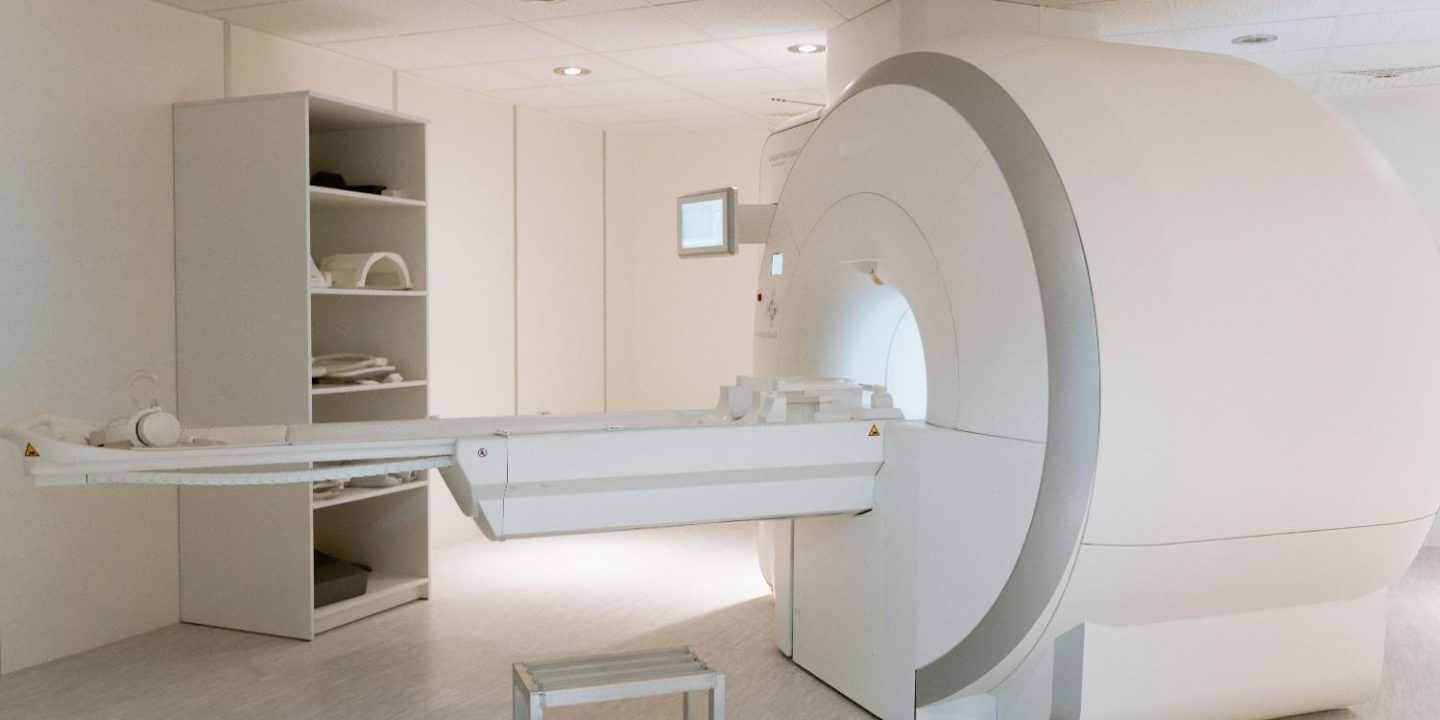
Amidst the rapid digital transformation sweeping all industries, millions of patients are still required to physically carry their CT scans, MRIs, and X-rays from provider to provider, on physical CDs. Medical imaging files are very large and are usually stored in an image archiving system that is distinct from the regular Electronic Health Record (EHR) system. The lack of a unified, cross-network infrastructure has resulted in manual transfers and legacy storage media for health systems in order to bridge the clinical facilities. The absence of a single, cross-network infrastructure has left health systems using manual transfers and legacy storage media to connect the different clinical facilities for years.
Epic’s Solution: Real-Time Diagnostic Image Exchange
To address this “historical” interoperability issue, Epic, a leading healthcare software company, has introduced a new diagnostic image exchange functionality nationwide. The tool, unveiled before the 2026 User Group Meeting, enables physicians from health systems connected to Epic to instantly access and share large, diagnostic-quality medical images.
This solution augments Epic’s Care Everywhere platform, which already enables more than 10 million patient charts to be exchanged every day, to cope with heavy radiology files. Until now, only lower-resolution reference images or written reports could be shared between healthcare organisations, and true exchange of diagnostic-quality information was still limited by the absence of open standards and vendor-neutral systems. With the help of open exchange protocols, Epic now enables providers to access precise imaging studies in real time, empowering clinicians to access the right data at the right time without the hassle.
The new workflow involves open standards for searching the images to be downloaded in the background to the receiving health system’s local Picture Archiving and Communication System. This data flow in the background is seamless, and specialists can utilize the software applications they’re used to to view external scans, which means the required clinical context is available before and during patient consultations.
Aligning with Federal Modernization Goals
Epic’s move is very similar to a larger federal effort to modernize the sharing of healthcare data, such as the “ditch the disk” campaign and Centers for Medicare and Medicaid Services’ diagnostic imaging workgroup. To increase this capability across the nation, Epic is pushing for health systems not on the Epic network to use the same open imaging standards under the federally sponsored Trusted Exchange Framework and Common Agreement, thereby enabling universal image sharing.
This implementation helps Epic reinforce its healthcare interoperability credentials, but is timed to coincide with the company’s data sharing controversies, such as recent issues regarding profile access to shared networks. However, the timing is right for company leadership to show how open standards can help make health data more fluid at the organizational boundary, the company said.
Direct Benefits for Patients and Providers
This is a shift from CDs to electronic transfers that provides instant benefits to patients and health care providers. Quick and easy retrieval of previous scans reduces the risk of repeat imaging, which can save patients from unnecessary radiation exposure and unexpected bills. The new direct image exchange feature will enable clinicians to retrieve those scans that have been identified as duplicates immediately, while over 21,000 duplicate scans per year will be prevented due to Epic’s built-in duplicate-order warnings, which automatically alert when duplicate tests are ordered within an organization.
Additionally, automated patient-matching components are capable of substantially decreasing administrative workload for high-volume healthcare institutions, like NYU Langone Medical Center, that receive approximately 15,000 external imaging studies every month. It eliminates the time-consuming and cumbersome processes required for handling physical media and verifying received data, allowing for better and faster diagnoses and patient care.
Healthcare Faces the “CD Problem”
The Healthcare industry has made major progress in digital records, but diagnostic images such as CT scans, MRIs, and X-rays have often remained difficult to exchange electronically. Patients may still need to carry physical CDs between hospitals, creating delays and extra administrative work.
For Healthcare providers, this fragmented image-sharing process can make it harder for clinicians to quickly access complete patient information when making treatment decisions.
Healthcare Gets New Diagnostic Image Exchange
Epic has launched an expanded diagnostic image exchange through Care Everywhere, allowing clinicians to retrieve diagnostic-quality images from other health systems. The initiative is designed to help patients and providers move away from physical discs when transferring medical imaging.
The development could make Healthcare information exchange more efficient by bringing imaging directly into clinical workflows instead of requiring staff to manually manage physical media.